
Where can I buy authentic Hellstar clothing online?
Short answer: buy from Hellstar’s official channels or from retailers explicitly listed as authorized stockists by the brand; every other option requires careful vetting. The official channel gives you the highest chance of a genuine item, predictable sizing, and the correct tags and packaging. Authorized stockists are the next safest route because the brand has a formal relationship with them and supply chains are traceable. Everything else — resale platforms, auction sites, and individual sellers — carries increasing authenticity and return-risk and demands additional checks before you buy. Below I’ll walk you through exactly where to look, what to inspect, and how to avoid common traps so you don’t end up paying retail for a fake or a misrepresented piece.
Start your search at the brand’s official online presence and its verified social accounts. If the product you want is out of stock there, move to the brand’s official list of stockists or partner boutiques. When the item has sold out everywhere official, treat marketplace listings as secondary sources and apply a stricter authentication checklist before you commit to paying.
What are the safest online sources for Hellstar?
Official Hellstar site and authorized stockists are the safest places to buy authentic hellstrshop.com clothing online because those channels control inventory and distribution. The brand site will show full product specifications, official photos, and often release notes that genuine pieces will match exactly. Authorized stockists appear on the brand’s “where to buy” or stockist page and usually mirror the brand’s returns and authenticity standards. Retail giants and reputable boutiques with authentication departments provide buyer protection and documented provenance that independent sellers do not.
Authorized boutiques commonly share product serials, batch numbers, and exact measurements that you can cross-check with the brand. If you find an unfamiliar retailer, check the store’s page on the brand site, examine payment security (HTTPS and card processors), and look for independent reviews. Avoid “gray market” sellers who claim the merchandise is new but won’t provide an invoice or proof of purchase from an authorized source; that’s an immediate red flag.
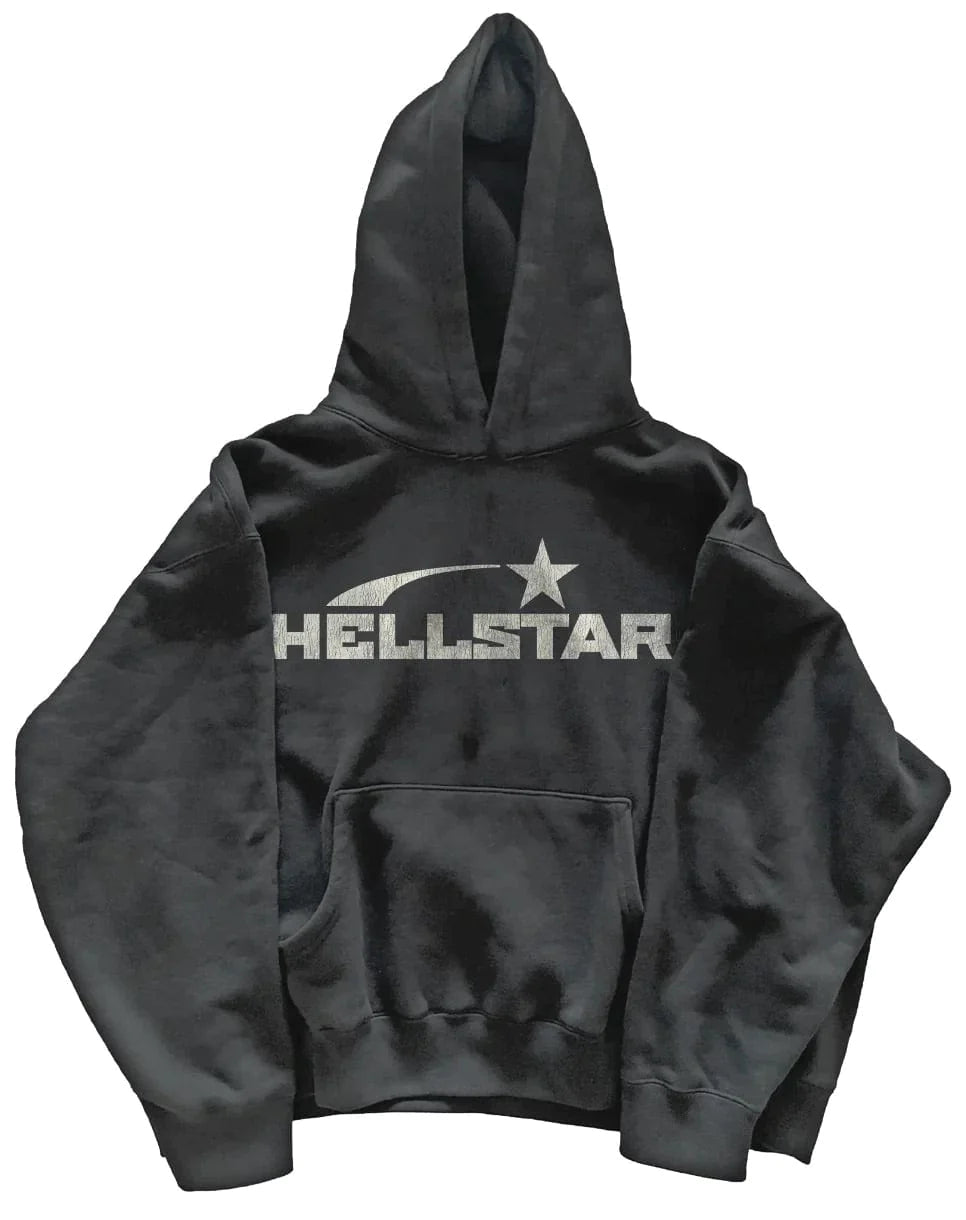
How do I spot fake Hellstar pieces online?
Examine the tags, stitching, materials and product photography; real Hellstar pieces use consistent label fonts, quality stitching, and specific materials described on official product pages. Authentic items have precise label placement, crisp woven tags, and matching care labels with correct language and fabric codes. Photos that are low-resolution, show obvious editing, or omit interior tag shots should be treated with suspicion. Seller history and provenance matter: documented receipts from authorized stores, original packaging, and unaltered product photos raise confidence dramatically.
Ask the seller for close-up photos of the inner care tag, a picture of the size label, the neckline/back-of-collar stitching, and clear shots of any hardware or embossing. Compare those images to official product photos or previously authenticated examples in the brand’s community. If the price is way below market without clear reason, or the seller refuses close-up shots, consider it suspicious. Keep in mind that many modern counterfeits copy outer branding well but fail to replicate interior labels and materials accurately.
Comparing channels: official site, authorized retailers, and resale marketplaces
The easiest way to choose where to buy is to balance authenticity risk, price, and urgency: official site for guaranteed authenticity and full price, authorized retailers for similar guarantees with occasional discounts, and resale marketplaces for rare or sold-out pieces but with higher verification effort. Each channel carries trade-offs around returns, shipping time, and buyer protection. Use the table below to quickly compare practical factors so you can decide where to look first depending on whether you prioritize speed, price, or provenance.
| Source | Authenticity risk | Typical price range | Shipping speed | Return policy | Best for |
|---|---|---|---|---|---|
| Official Hellstar site | Minimal | Retail | Standard to express | Brand returns (documented) | New releases, full-size runs |
| Authorized stockists / boutiques | Low | Retail or slight discount | Fast (local or EU/US dispatch) | Retail store policy (usually acceptable) | Regional exclusives, preorders |
| Grailed / Depop / private resale | Medium to high | Below retail to premium (rare pieces) | Variable | Often final sale; platform protections vary | Sold-out drops, vintage pieces |
| eBay / auction sites | High | Wide range | Variable | Depends on seller/marketplace protections | Auctions, unpredictable bargains |
Use the table as a decision filter: if you value authenticity above price, stop at the official site or an authorized stockist. If you need a sold-out piece and accept extra checks, resale platforms are available but they need a systematic vetting process.
What payment, shipping and return practices protect buyers?
Prefer payment methods with buyer protection like card payments and PayPal Goods & Services; avoid bank transfers and “friends and family” payments which remove protection. Payment records serve as the primary proof when disputing fraud or filing a claim. For shipping, insist on tracked, insured shipping with a delivery signature for high-value items because that creates a documented chain of custody. Check the seller’s stated return policy; many resellers mark items final sale — factor that into the price you’re willing to pay and whether you can accept the risk of no returns.
For international purchases, confirm customs and import fees before checkout because sudden extra costs can make an apparent bargain a loss. Keep screenshots of product pages and timestamps in case the seller misrepresents condition or claims original packaging. When a seller offers an invoice, verify the seller’s name and the authorized retailer printed on that document. If the invoice looks generic or lacks store identification, it’s not reliable proof of authenticity.
Buying vintage or sold-out drops: how do you minimize risk?
For vintage pieces and sold-out drops, provenance and seller reputation are everything; prioritize sellers with long, verifiable histories and multiple positive transactions for similar items. Demand high-resolution images and, if possible, a short video with the seller showing the label, stitching, and any serial numbers or batch codes. Compare measurements; vintage sizing varies and “one size” items often differ across drops, so accurate measurements prevent costly returns. When buying expensive or rare pieces, obtain a formal authentication report from a reputable service or a trusted community verifier before completing payment.
Remember that rarity increases both price and counterfeit incentive. If you’re buying from a marketplace where disputes are possible, build the case for authenticity before you pay: document everything in messages, and ask the seller to confirm shipping method and insurer. If the seller resists, that indicates either negligence or potential fraud; walk away rather than gambling a large sum.
Community resources, verification services and a final checklist
Active verification communities and resale-focused services significantly reduce risk when you can’t buy direct. Instagram authentication accounts, Reddit communities such as fashion or streetwear subreddits, and long-standing Facebook resale groups often spot counterfeit patterns quickly and will point out telltale differences. Paid authentication services exist for some high-end labels and resale platforms sometimes offer built-in authentication; use them when the item’s value justifies the fee. Combine community feedback with documented proof (original receipt, store tag, original packaging) for the strongest evidence of authenticity.
Expert tip: \”Never accept a seller’s claim of ‘authentic’ without supporting documentation; request the original invoice or a picture of the item next to a handwritten note with the seller’s username and date — that single step prevents many common scams,\” says a seasoned industry verifier who inspects hundreds of listings monthly. Use that instruction as a hard rule when you’re paying above retail on resale platforms.
Little-known but useful facts: First, many authorized stockists are region-specific and list exclusives on the brand’s stockist page rather than the main storefront. Second, resale platforms that require authentication for certain sellers’ tiers tend to have fewer professional fakes. Third, inner care-tag inconsistencies are more common in counterfeits than bad outer prints, making interior photos crucial. Fourth, sellers who offer to ship from multiple locations or provide inconsistent tracking numbers are often resellers of gray-market stock. Use these facts to prioritize evidence when you’re evaluating a listing.
Final checklist before you hit purchase: verify seller provenance, demand close-up interior and exterior photos, confirm payment method with buyer protection, check return policy and shipping insurance, and cross-reference tags and measurements with official product info. Follow those steps and you’ll minimize the risk of receiving a fake Hellstar garment or being unable to resolve a dispute if something goes wrong.